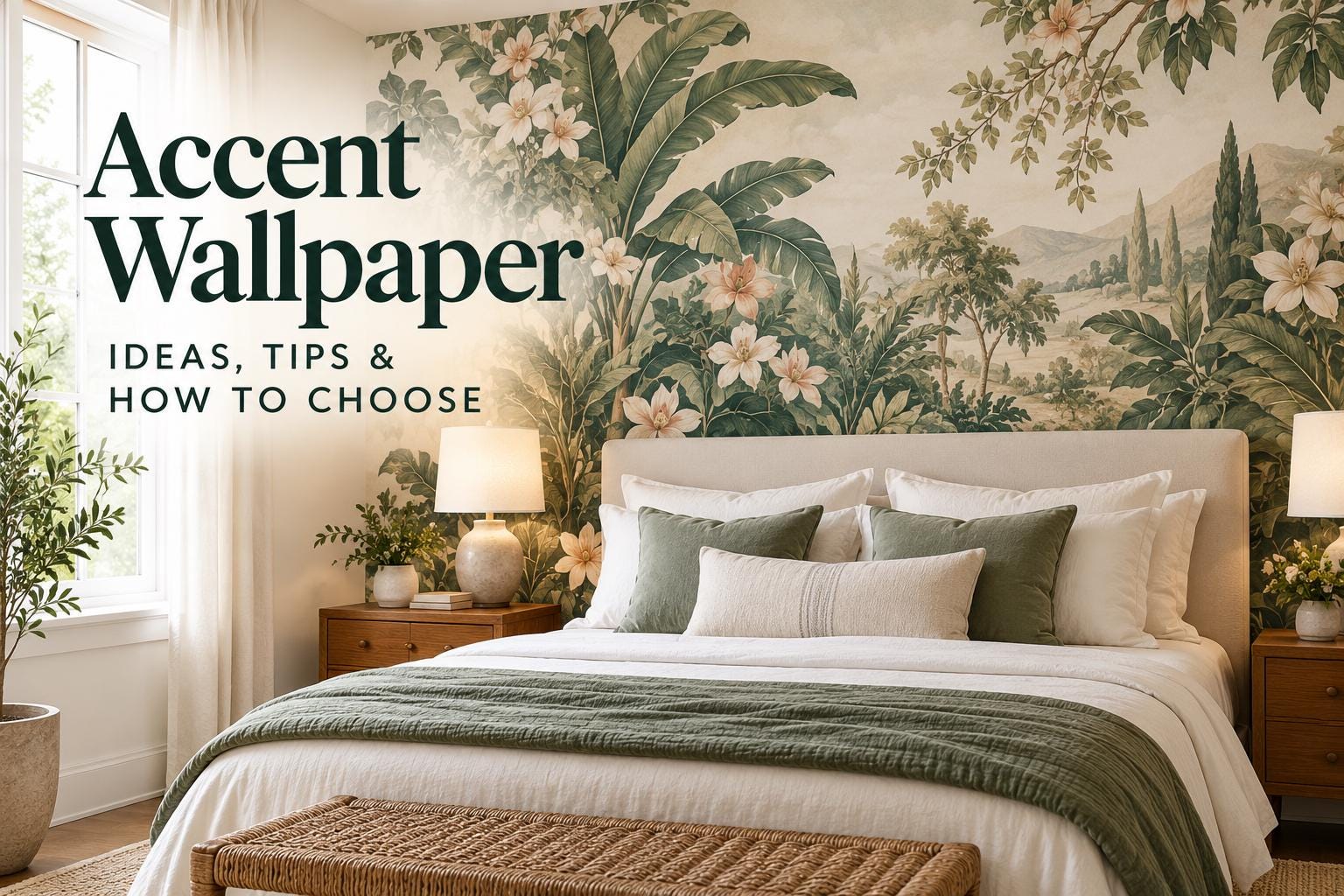
A bare wall behind the bed, sofa, or dining table can make an otherwise well-furnished room feel unfinished. Accent wallpaper changes that quickly. It gives the eye a destination, brings color and pattern into the room, and creates the kind of intentional backdrop that paint alone does not always deliver.For homeowners, renters, and anyone refreshing a space without a full renovation, peel-and-stick wallpaper offers a more approachable way to make a visual statement. The right design can turn an ordinary wall into a leafy garden, a quiet celestial sky, a sophisticated marble-inspired feature, or a personalized scene made for your family. The key is choosing a wall, pattern, and scale that work with the way you actually use the room.
Why Accent Wallpaper Works So Well
An accent wall has one job: create focus. Rather than covering every surface, it concentrates the decorative impact where it will be seen most. This can make a small room feel more styled without making it feel busy, especially when the surrounding walls stay calm and supportive.Wallpaper also adds more than color. A vintage botanical print can soften a bedroom with warmth and movement. An abstract design can give a home office a more polished, creative feel. A moody floral or dark celestial pattern can make a powder room feel intentionally dramatic, even when the room itself is compact.Peel-and-stick material keeps the project within reach for many DIY decorators. It is designed for smooth, properly prepared walls and does not require paste or a professional wallpaper crew. That said, easy installation still starts with thoughtful planning. A dramatic print deserves accurate measurements, a clean surface, and enough time to line up each panel carefully.
Choosing the Best Wall for Accent Wallpaper
The best accent wall is usually the wall your eyes land on first. In a bedroom, that is often the wall behind the headboard. In a living room, it may be behind the sofa, fireplace, or media console. In a dining space, the wall behind the table provides a natural setting for gatherings without competing with every other surface.Architectural details can help you decide. A wall with a simple, uninterrupted span gives a pattern room to shine. A wall broken up by several doors, narrow windows, or heavy shelving can still work, but a large-scale mural may lose some of its effect when divided into small sections.Think about sightlines, too. If a wall is visible from the entryway or connects to an open living area, wallpaper can establish the mood of the whole home. A soft neutral botanical may make the space feel welcoming, while a geometric or luxury-inspired motif can create a sharper, more tailored look.For a rental, choose a wall that is meaningful without being difficult to access. The wall behind a bed or desk is often a better candidate than a high-traffic hallway with scuffed paint and frequent contact. Peel-and-stick wallpaper can be a practical alternative to permanent renovation, but wall condition and paint quality always affect how cleanly any self-adhesive product applies and removes.
Let the Room Guide the Pattern
A pattern does not need to match every pillow, rug, or curtain. It should connect with the room instead. Pull one or two colors from furnishings already in place, then let the wallpaper bring in a new layer of interest.Large-scale florals, oversized palms, and scenic murals make a confident statement behind a bed, crib, or sofa. They tend to work best when the wall has enough open space to show the full repeat or composition. In a smaller powder room or entryway, a detailed small-scale print can feel charming and collected because you experience it up close.If your furniture is simple, wallpaper can carry more of the visual energy. If the room already has a colorful rug, patterned drapery, or bold artwork, consider a design with a more limited palette or softer contrast. There is no rule that says patterns cannot mix, but they need a shared thread, such as similar tones, line weight, or mood.For a nursery or child’s room, the wallpaper can become part of the room’s story. Safari animals, stars, clouds, woodland scenes, or a personalized name mural create a backdrop that feels special from the beginning. Choose a design that can grow with the room when possible. A refined animal print or dreamy sky may feel just as at home for a toddler as it does for an older child.
How to Size Accent Wallpaper Correctly
Accurate measurements are the difference between a smooth project and an avoidable ordering delay. Measure the full width and height of the wall in inches, even when there are windows, outlets, or doors. Wallpaper is typically planned from the overall wall dimensions, with the material trimmed around obstacles during installation.Measure twice, ideally at more than one point across the wall. Walls are not always perfectly square, particularly in older homes. If the height changes from one side to the other, use the tallest measurement. This gives you the coverage needed to work with the wall rather than discovering a short edge at the end.For made-to-order wallpaper and murals, confirm the dimensions before placing the order. Custom production is one of the biggest advantages of a tailored wallcovering, but it also means orders are created specifically for your space. Samples are a smart first step when you are deciding between colors, materials, or patterns, and they can help you see how the design looks in your home’s natural and evening light.Do not rely only on a photo viewed on a phone screen. A warm beige can read differently beside cool gray paint. A dark green can appear nearly black in a low-light hallway, then look beautifully saturated in sunlight. Seeing a sample against your existing trim, flooring, and furnishings makes the decision much easier.
Preparing for a Peel-and-Stick Installation
Peel-and-stick wallpaper is most successful on smooth, clean, dry walls with sound paint. Freshly painted walls need adequate cure time before application, since paint that feels dry may still be releasing moisture. Textured walls, damaged drywall, flaking paint, and highly porous surfaces can affect adhesion and the finished appearance.Before installation, wipe down the wall to remove dust, oils, and residue. Clear the work area and gather a smoothing tool, sharp utility knife, level, measuring tape, and a clean cloth. Having a second person nearby is helpful for larger panels, especially when positioning the first one. That first panel sets the line for the rest of the wall.Take your time at the top. Start with a small section of backing paper removed, position the panel using a level, and smooth outward as you gradually release more backing. Avoid pulling the material tight. Instead, guide it into place and smooth out air as you go. If a panel needs adjustment, reposition it carefully before pressing it firmly into place.Expect some trimming around baseboards, ceilings, outlets, and windows. This is normal, not a sign that the sizing is wrong. A sharp blade and controlled cuts will give those edges a cleaner finish. Pattern alignment matters as well, so check the match before removing too much backing from the next panel.
Accent Wallpaper Ideas by Room
In a bedroom, choose wallpaper that supports the feeling you want at the end of the day. Soft botanicals, muted abstract forms, and starry skies create a restful backdrop, while jewel-tone florals or black-and-gold-inspired patterns bring a more glamorous mood. Place the design behind the bed so the room feels styled without surrounding you with pattern from every angle.A home office benefits from a backdrop that looks good on camera and feels energizing during the workday. A modern abstract, city map, subtle geometric, or personalized quote mural can define the work zone and give a small office a stronger sense of purpose.In an entryway, wallpaper creates an immediate first impression. This is a good place for designs you love but may not want across a larger room: expressive florals, graphic stripes, dramatic landscapes, or rich vintage-inspired patterns. Since you spend less time in the space, you can be a little bolder.Vacation rentals can use accent wallpaper to become more memorable in listing photos. A mural behind the bed, a playful kitchen nook print, or a distinctive wall in the entry can give guests a visual detail they remember. Choose a design that photographs clearly and fits the property’s broader style rather than following a short-lived trend.
Make the Commitment Feel Easier
Wallpaper should feel exciting, not like a gamble. Start with a sample if color confidence or wall compatibility is a concern. Measure carefully, inspect the wall surface honestly, and choose a design that you will enjoy seeing often. For custom or personalized wallpaper, review every spelling, date, name, and dimension before ordering, since made-to-order products are created for your selected specifications and may not be returnable.The most successful accent wall is not always the loudest one. It is the one that makes the room feel more like yours each time you walk in. Choose the wall that deserves attention, give the installation the care it needs, and let the pattern do the decorating